What Is Proof-Of-Work? - Proof Of Work Vs Proof Of Stake Was Ist Der Unterschied Youtube : The proof of work (pow) concept was developed in the year 1997 by the cryptographer adam back.. Essentially, pow requires members of a community to solve challenging puzzles. What is proof of work (pow)? This race is won by being the first computer to solve a cryptographic hash puzzle. Proof of work represents a system that, through sheer processing power, deters any malicious activity that can potentially damage the network's stability. The algorithm is used to confirm ongoing transactions, create and add new blocks to the chain.
As an earlier method, it has been augmented by others such as proof of stake and proof of importance. What is proof of work (pow)? Mining and proof of work are concepts that are closely related. If you solved a really complicated math problem all by yourself, you'd obviously want credit for it. Essentially, pow requires members of a community to solve challenging puzzles.
Consensus Algorithms Proof Of Work Mining Deconstructed Nichanan Kesonpat from images.squarespace-cdn.com As an earlier method, it has been augmented by others such as proof of stake and proof of importance. The network necessitates a large volume of computing capacity, which is why it is referred to as proof of work. If you solved a really complicated math problem all by yourself, you'd obviously want credit for it. Users within a network send digital tokens to each other. Mining and proof of work are concepts that are closely related. This concept was first introduced in 2004 by hall finney who created the idea of ' reusable proof of work.' The proof of work (pow) concept was developed in the year 1997 by the cryptographer adam back. Proof of work consensus is the mechanism of choice for the majority of cryptocurrencies currently in circulation.
This is mainly created to satisfy certain requirements.
Essentially, pow requires members of a community to solve challenging puzzles. Proof of work, or proof of work as it is also known, or even pow, is an essential factor in cryptocurrency mining.in other articles, we've already seen how mining so much of bitcoin how much of ether (eth).although the process is different, both cryptocurrencies have a great similarity: Proof of work consensus is the mechanism of choice for the majority of cryptocurrencies currently in circulation. Most digital currencies have a central entity or leader keeping track of every user and how much. This is the central idea behind proof of work, the consensus mechanism that powers bitcoin and a number of other assorted cryptocurrencies. The network necessitates a large volume of computing capacity, which is why it is referred to as proof of work. Blockchain, a decentralized network, gathers and stores all. What is proof of work? Mining and proof of work are concepts that are closely related. Proof of work represents a system that, through sheer processing power, deters any malicious activity that can potentially damage the network's stability. This work builds on previous puzzle solutions. The briton was looking for a solution to stop spam emails. How proof of work, works.
Proof of work consensus is the mechanism of choice for the majority of cryptocurrencies currently in circulation. As an earlier method, it has been augmented by others such as proof of stake and proof of importance. The idea for proof of work (pow) was first published in 1993 by cynthia dwork and moni naor and was later applied by satoshi nakamoto in the bitcoin paper in 2008. Proof of work (pow) is a decentralized consensus mechanism that requires members of a network to expend effort solving an arbitrary mathematical puzzle to prevent anybody from gaming the system. Proof of work or pow is the original consensus algorithm of the blockchain network.
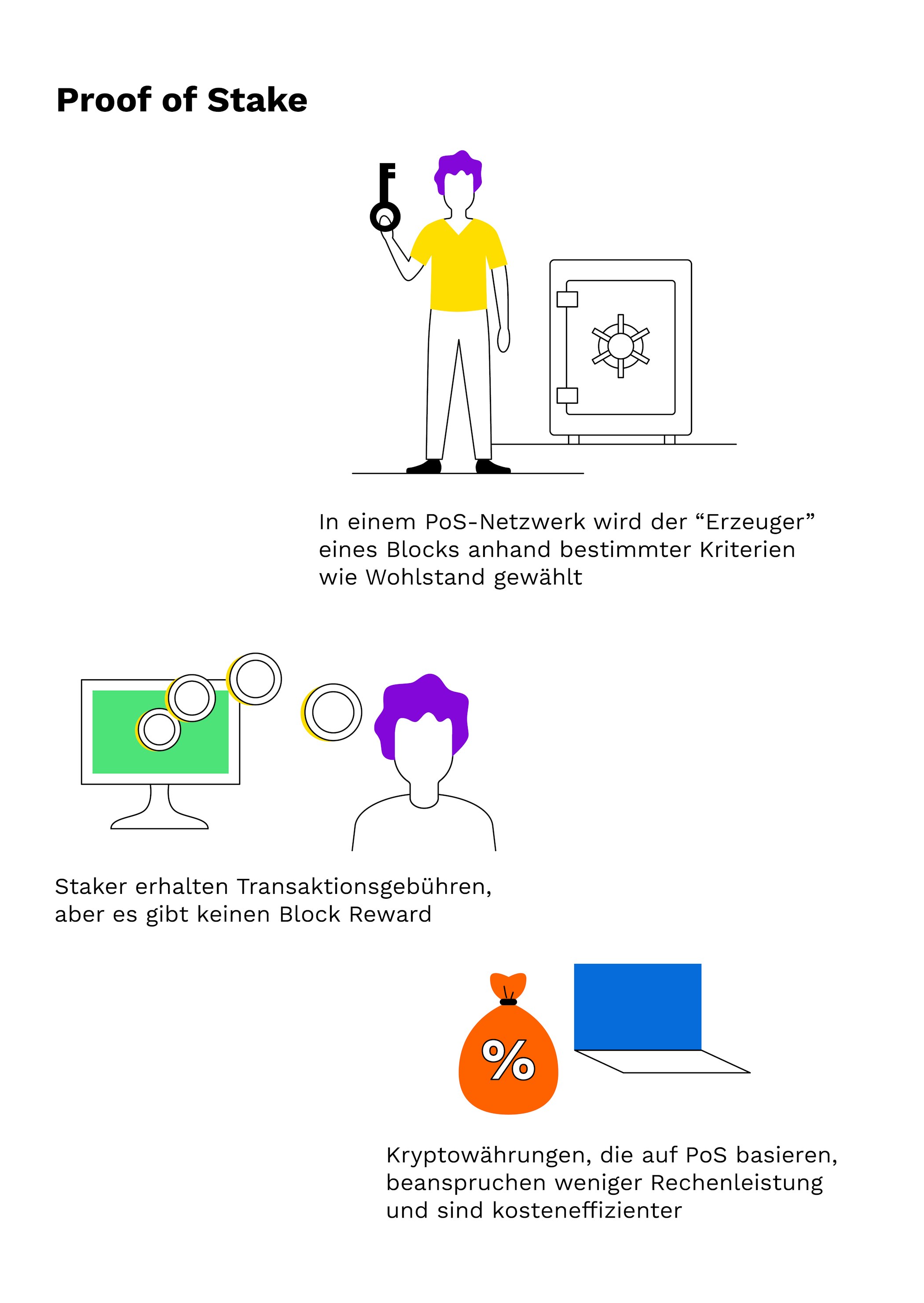
Consensus Algorithms Proof Of Stake Bitpanda Academy from bitpanda-academy.imgix.net Proof of work (pow) in the cryptocurrency world is an important way to validate coin transaction status and asset management. The briton was looking for a solution to stop spam emails. This work would be trivial for someone sending a legitimate email, but it would require a lot of computing power and resources for users to send mass emails. If you solved a really complicated math problem all by yourself, you'd obviously want credit for it. Users within a network send digital tokens to each other. All it does is to have the mining nodes compete with each other in a special computational race. Solving the algorithm from the miner is really hard, but checking the validity of the verification is very easy. While pow and pos are both used in crypto, they are quite different in how they work.
The briton was looking for a solution to stop spam emails.
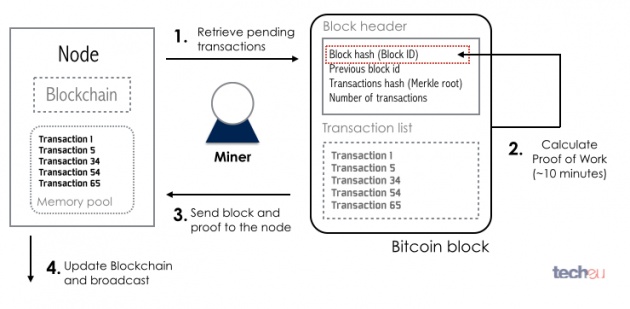
Producing a proof of work can be a random process with low probability so that a lot of trial and error is required on average before a valid proof of work is generated. This process always goes through a verification process to know whether the satisfying data requirements are up to the mark. Proof of work (pow) was introduced in the early 1990s as a means to mitigate email spam. The network necessitates a large volume of computing capacity, which is why it is referred to as proof of work. Blockchain, a decentralized network, gathers and stores all. While pow and pos are both used in crypto, they are quite different in how they work. Essentially, proof of work is used to determine how the blockchain reaches consensus. The algorithm is used to confirm ongoing transactions, create and add new blocks to the chain. Proof of work consensus is the mechanism of choice for the majority of cryptocurrencies currently in circulation. In the context of bitcoin, the proof of work protocol works like this: Users within a network send digital tokens to each other. In other words, how can the network be sure that the transaction is valid and that someone isn't trying to do bad things, such as spend the same funds twice? This is the central idea behind proof of work, the consensus mechanism that powers bitcoin and a number of other assorted cryptocurrencies.
It basically means that in order to gain the right to update the next block of transactions, you need to provide proof to a challenge that is hard to solve, yet can be easily verified by the network. Users within a network send digital tokens to each other. The algorithm is used to confirm ongoing transactions, create and add new blocks to the chain. The idea for proof of work (pow) was first published in 1993 by cynthia dwork and moni naor and was later applied by satoshi nakamoto in the bitcoin paper in 2008. It must be trivial to check whether data satisfies said requirements.
The Concept Of Proof Of Work In The Bitcoin Ecosystem from cdn.bitlanders.com It must be trivial to check whether data satisfies said requirements. As an earlier method, it has been augmented by others such as proof of stake and proof of importance. Users within a network send digital tokens to each other. The network necessitates a large volume of computing capacity, which is why it is referred to as proof of work. How proof of work, works. While pow and pos are both used in crypto, they are quite different in how they work. Most digital currencies have a central entity or leader keeping track of every user and how much. Proof of work (pow) in the cryptocurrency world is an important way to validate coin transaction status and asset management.
Proof of work or pow is the original consensus algorithm of the blockchain network.
Bitcoin is the cryptocurrency that pioneered the use of pow. Blockchain, a decentralized network, gathers and stores all. Mining and proof of work are concepts that are closely related. What is proof of work? This is the central idea behind proof of work, the consensus mechanism that powers bitcoin and a number of other assorted cryptocurrencies. Proof of work (pow) is a protocol designed to make digital transactions secure without having to rely on a third party. Cryptocurrency like bitcoin is using the pow consensus to confirm transactions and produce new blocks added to the chain. This work builds on previous puzzle solutions. The proof of work (pow) concept was developed in the year 1997 by the cryptographer adam back. In order to add a transaction to the distributed, public ledger that is the blockchain, entities within the decentralized network must expend large amounts of computational power to solve a hash puzzle set by the network. Producing a proof of work can be a random process with low probability so that a lot of trial and error is required on average before a valid proof of work is generated. All it does is to have the mining nodes compete with each other in a special computational race. Proof of work (pow) is a decentralized consensus mechanism that requires members of a network to expend effort solving an arbitrary mathematical puzzle to prevent anybody from gaming the system.